
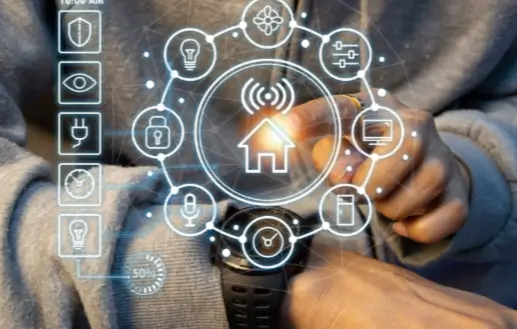

The future of consumer electronics centers on seamless integration and AI-driven personalization. Devices will act as proactive platforms, coordinating wearables, IoT, and health data within secure, privacy-respecting architectures. Battery-aware design and modular encryption-first ecosystems will shape tradeoffs between longevity and security. Foldables and wearables will converge into context-aware experiences, enabling durable multi-device orchestration. This trajectory raises practical questions about autonomy, control, and the real costs of a smarter, more connected life.
What The Next Generation Of Devices Will Do For You
The next generation of devices is poised to deliver measurable gains in convenience, efficiency, and personalization. across consumer electronics, sensors, and software ecosystems, capabilities will shift from standalone tools to integrated platforms that anticipate needs, simplify tasks, and optimize energy use. AI onboarding accelerates seamless setup, while Health interoperability enables secure data sharing, empowering proactive care and autonomous wellness decisions. Freedom through empowered choices.
How AI And Health Tech Will Personalize Your Routine
AI-enabled health platforms will tailor routines by integrating wearable sensor data, medical records, and real-time feedback to optimize sleep, activity, nutrition, and recovery.
These systems enable AI health tracking that learns patterns and adapts recommendations, delivering personalized routines through wearable integration.
The approach emphasizes data privacy, ensuring transparent controls while empowering users to pursue freedom through proactive, data-driven wellness optimization.
See also: The Future of Cloud Computing and Digital Infrastructure
Battling Batteries And Privacy: The True Tradeoffs
Battery constraints and privacy safeguards now shape the design of future consumer electronics, balancing longer-lasting energy with robust data protection.
Data-driven projections show tradeoffs between battery chemistry options and security architectures, guiding manufacturers toward modular, transparent choices.
As devices persist longer, user privacy requirements rise, prompting encryption-first architectures, minimized data collection, and verifiable governance to sustain freedom without compromising performance or interoperability.
Where Foldables, Wearables, And IoT Converge In Daily Life
As foldables, wearables, and IoT converge, daily routines increasingly hinge on seamless context-aware interactions that blend form with function.
Data indicate pervasive adoption across homes, workplaces, and public spaces, enabling proactive assistance and multi-device orchestration.
This trajectory emphasizes foldables durability and wearables ergonomics, ensuring long-term comfort and reliability while preserving user autonomy and freedom in choosing tailored, efficient, minimally invasive experiences.
Frequently Asked Questions
How Soon Will Devices Become Truly Affordable for Everyone?
Answer: Affordable access emerges within a decade as economies of scale, competition, and policy support expand. Pricing transparency accelerates adoption, while measured inflation and component reuse sustain affordability for diverse populations.
What Safeguards Protect My Data Across All Smart Devices?
Data privacy safeguards vary, but robust cross device authentication, strict data retention policies, and family safety controls reduce risk; progressive transparency and standardized encryption empower users who seek freedom, while ongoing audits push platforms toward stronger, verifiable security guarantees.
Will AI Replace Human Judgment in Daily Gadget Use?
AI likely augments rather than fully replaces daily gadget judgment, yet autonomy risks remain; data minimization, privacy ethics, and smart home defaults shape decisions, guarding against gadget fatigue while addressing AI bias and preserving user freedom.
How Will Devices Handle Energy Efficiency Without Sacrificing Performance?
Devices will balance energy efficiency and performance tradeoffs through adaptive power management, hardware-software co-design, and edge intelligence, while data safeguards ensure privacy; daily gadget use supports pervasive health monitoring with ethical concerns addressed for freedom-loving users.
Are There Ethical Concerns With Pervasive Health Monitoring?
Ethical concerns arise with pervasive health monitoring; data protection and privacy safeguards are essential. Data-driven analyses indicate benefits for wellbeing, yet robust governance is required to ensure consent, transparency, and user autonomy while maintaining scalable, forward-looking health insights.
Conclusion
The future unfolds like a well-tuned orchestra, where devices listen for subtle cues and respond with precise timing. A quiet chorus of wearables, sensors, and IoT fabrics harmonizes routines, guided by transparent controls and encryption-first design. Batteries become enduring partners, not obstacles, as modular ecosystems balance power with privacy. Foldables and health data weave a seamless narrative, offering context-aware experiences. In this landscape, autonomy and comfort converge, painting a data-driven vision of proactive, personalized living.