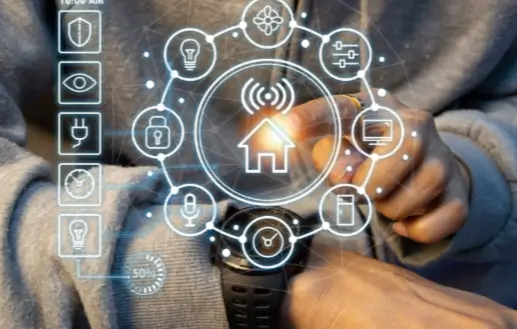


Emerging digital technologies will personalize learning and care through data-informed insight and adaptive tools. Wearable diagnostics, continuous monitoring, and modular AI enable real-time interventions in education, health, and daily life. Gen-Z and Gen Alpha co-create humane governance that protects privacy while expanding autonomy. Work, governance, and civic systems run on transparent, auditable algorithms that foster collaboration and accountability. Yet questions of bias, access, and equilibrium across communities linger, inviting careful scrutiny as possibilities unfold.
What Emerging Technologies Mean for Education and Skills
Emerging technologies are redefining education and skills by enabling personalized learning pathways, accelerating access to vast information, and enabling real-time feedback on student progress.
A data-driven horizon envisions AI in classrooms guiding adaptive curricula while preserving equity.
Standards evolve with performance analytics, yet concerns about data privacy demand rigorous governance.
Freedom-minded systems emphasize transparency, consent, and humane, privacy-preserving personalization.
Healthcare, Biotech, and Everyday Well-Being in Gen-Z and Gen Alpha
Healthcare, biotechnology, and everyday well-being are primed to be reshaped by the same data-enabled, personalized approaches that redefine learning, with Gen-Z and Gen Alpha positioned as both beneficiaries and co-creators.
Visionary, data-driven estimates suggest continuous wearable diagnostics, adaptive therapies, and proactive prevention, catalyzing healthcare innovations while prompting biotech ethics debates, governance, and user-empowered choices that honor autonomy and freedom.
Work, Governance, and Civic Life in a Digital-First Era
Could digital-first work culture, civic processes, and governance mechanisms evolve in tandem with ubiquitous data streams to redefine authority, accountability, and public participation?
In this speculative, data-driven frame, organizations recalibrate power through transparent algorithms, modular decision pipelines, and real-time collaboration. Data privacy safeguards anchor trust while enabling experimentation; algorithm transparency reveals rationale, enabling informed critique and resilient, freedom-valuing governance in a rapidly interconnected society.
Ethics, Equity, and Access: Ensuring Inclusive Growth
The ascent of a data-rich, interconnected landscape calls for an explicit focus on ethics, equity, and access to ensure that growth remains inclusive.
In this frame, governance must map privacy gaps and algorithmic bias, translating data insights into protections and opportunities.
It envisions transparent metrics, accountable platforms, and inclusive innovation that propel freedom while narrowing structural disparities across communities.
Frequently Asked Questions
How Will AI Influence Creativity and Personal Expression for Future Generations?
AI will expand creative expression through AI collaboration, offering new tools and interfaces that augment mood, style, and context, while preserving personal voice; data-driven insights guide experimentation, empowering individuals to pursue freedom in imaginative exploration and authentic self-expression.
What Role Will Digital Currencies Play in Family Budgeting and Education Funding?
Digital currencies will reshape family budgeting and education funding through digital wallets, enabling transparent budgeting habits and flexible tuition planning. Anecdotally, a family tracks $5,000 monthly spender data, forecasting future costs, aligning education funding with evolving priorities and digital finance resilience.
How Can Privacy Be Protected Amid Pervasive Interconnected Devices?
Privacy can be protected by universal privacy safeguards and data minimization, enabling individuals to navigate interconnected devices with autonomy; a data-driven, speculative vision imagines systems that resist overreach while empowering freedom-seeking communities through transparent governance.
Will Technology Widen or Bridge Intergenerational Opportunity Gaps?
“Smartphone cathedrals” loom as an anachronism at the start. Technology will likely narrow the opportunity gap and bolster generational equity, as data-driven programs scale access, yet prudent policy and voluntary safeguards remain essential to sustain freedom and trust.
See also: How Computer Processors Handle Multiple Tasks
How Will Mental Health Support Adapt to Immersive Digital Environments?
Mental health support will adapt to immersive digital environments by integrating privacy protection and device interoperability, enabling personalized, data-driven interventions while preserving autonomy; forecasts suggest scalable, user-governed tools that empower individuals to curate their own wellbeing trajectories.
Conclusion
In a data-inflected future, education, health, and civic life converge through personalized insights, wearable diagnostics, and modular governance. Gen-Z and Gen Alpha co-create systems that adapt in real time, balancing innovation with privacy and autonomy. Yet equitable access remains the hinge—without it, benefits fracture along lines of opportunity. As the adage goes, “the best lighthouse is the one that others can copy”—and so scalable, transparent designs must illuminate everyone, not just a few.